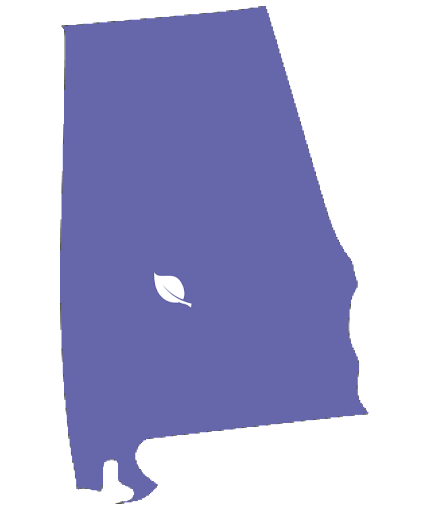
The Dallas County (AL) Commission received FY 2023 funding to implement the Dallas County Family Preservation Program. The program provides comprehensive, multi-disciplinary, trauma-informed, best-practices to justice-involved parents/primary caregivers and their children. A multi-disciplinary team identifies potential parents/primary caregivers early in their justice system involvement. Parents accepted into the program are diverted from incarceration to preserve the family structure. Staff provide family stabilization case management services that build on family strengths, address challenges, and link them to services and supports in their community.

Restore Hope, Inc. received FY 2024 funding to support the 100 Families, a crisis-to-career program model designed to support justice-involved families while prioritizing the welfare of their children. The model uses risk and needs assessments, treatment planning, case management for parents, and a family intervention program to strengthen parenting competence and confidence. The project will serve parents referred from the courts and community corrections.

CASA for Children of DC received FY 2023 funding to develop, in partnership with the National Resource Center on Children & Families of the Incarcerated, training for CASA volunteers educating them on trauma-responsive communication with children impacted by incarceration, the impacts of parental incarceration, and strategies to mitigate these impacts when working with these children.
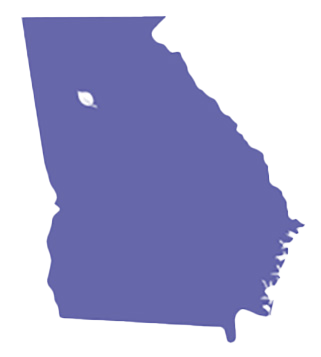
Fulton County received FY 2022 funding for the Fulton County District Attorney’s to implement a diversion program for justice-involved parents that improves the emotional, physical, and social well-being of court-exposed parents and their children. Program participants are connected to Families First a community-based organization that provides trauma-informed therapy and stabilization services for children and parents. Additionally, case managers will provide supervision under the Adult Diversion Program Unit. Case-supervision goals will focus on restoring the family unit using rehabilitative services such as crisis management and coping skills.
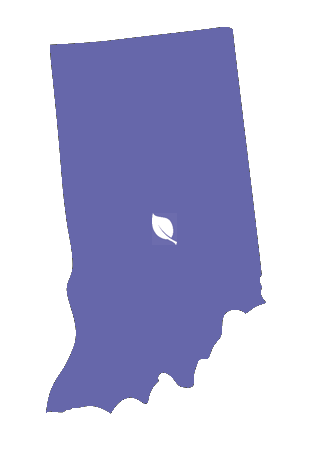
Wellbeing and Excellence received FY 2024 funding to implement a program, in collaboration with the Marion County Prosecutor’s Office, to interrupt cycles of violence through a trauma-informed diversion approach that provides an alternative to prosecution comprised of individualized assessments, case management, group and individual services, violence-prevention education, and connection to community supports. Participants are referred by justice-system partners and receive interventions aimed at reducing future system involvement and improving wellbeing outcomes.
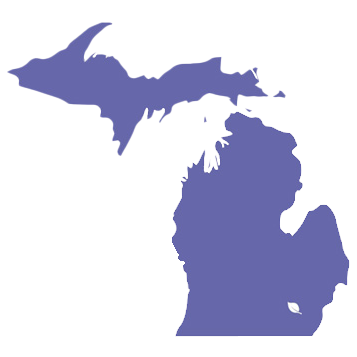
Washtenaw County (MI) Government received FY 2022 funding to develop a court-based program in collaboration with the prosecutor's and public defender's offices that provides a pre- and post-plea diversion option for parents/primary caregivers who are 25 or younger with eligible misdemeanor and felony cases. Participants are referred to the Corner Health Center where case managers create, with participants, an individualized, holistic service plan to address their health needs. Plans may include behavioral-health assessments, individual therapy, group therapy, and psychiatric services. Corner Health also provides primary medical services, connecting participants and their children with a primary-care physician and obstetrical care if needed. Plans may also include referrals to educational services, community resources, and mentorship programs.
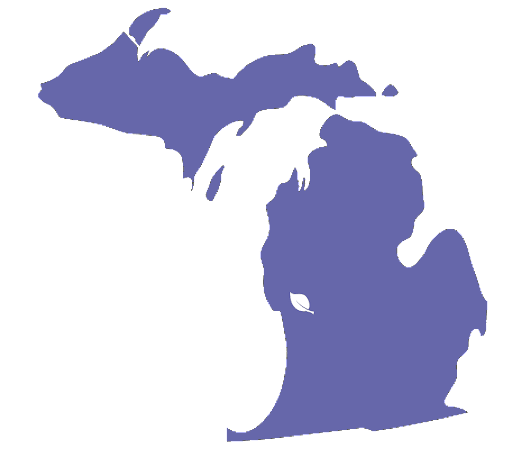
Hope Network received FY 2023 funding to implement the Reuniting Parents and Kids (RePAK) program. RePAK provides pre- and post-release services to men and women in West Michigan to support family reunification and long-term family stability. The program uses evidence-based approaches such as Motivational Interviewing and Cognitive Behavioral Therapy classes and includes holistic case management, parent support groups, mentoring, employment assistance, and job retention support. Case managers also connect participants with other community resources as needed including housing, transportation, childcare, and mental health counseling.
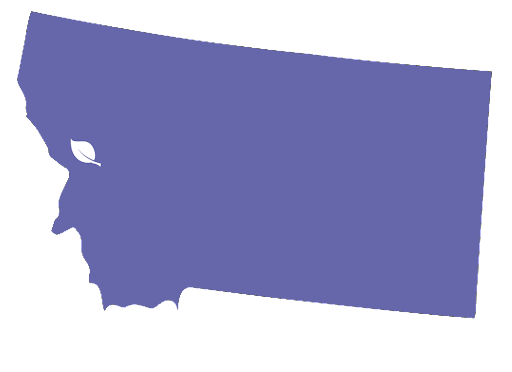
Families First received FY 2023 funding to Facilitate Dads & Dialogue and other family-strengthening programming for justice-involved parents and provide evidence-based parenting education and support services that strengthen protective factors and healthy family relationships. Through these services, Families First aims to increase family preservation, improve parental attachment, increase healthy child development, prevent children from entering the foster care system or entering back into the foster system, and improve parenting skills, reducing the likelihood of future involvement in the criminal justice system.

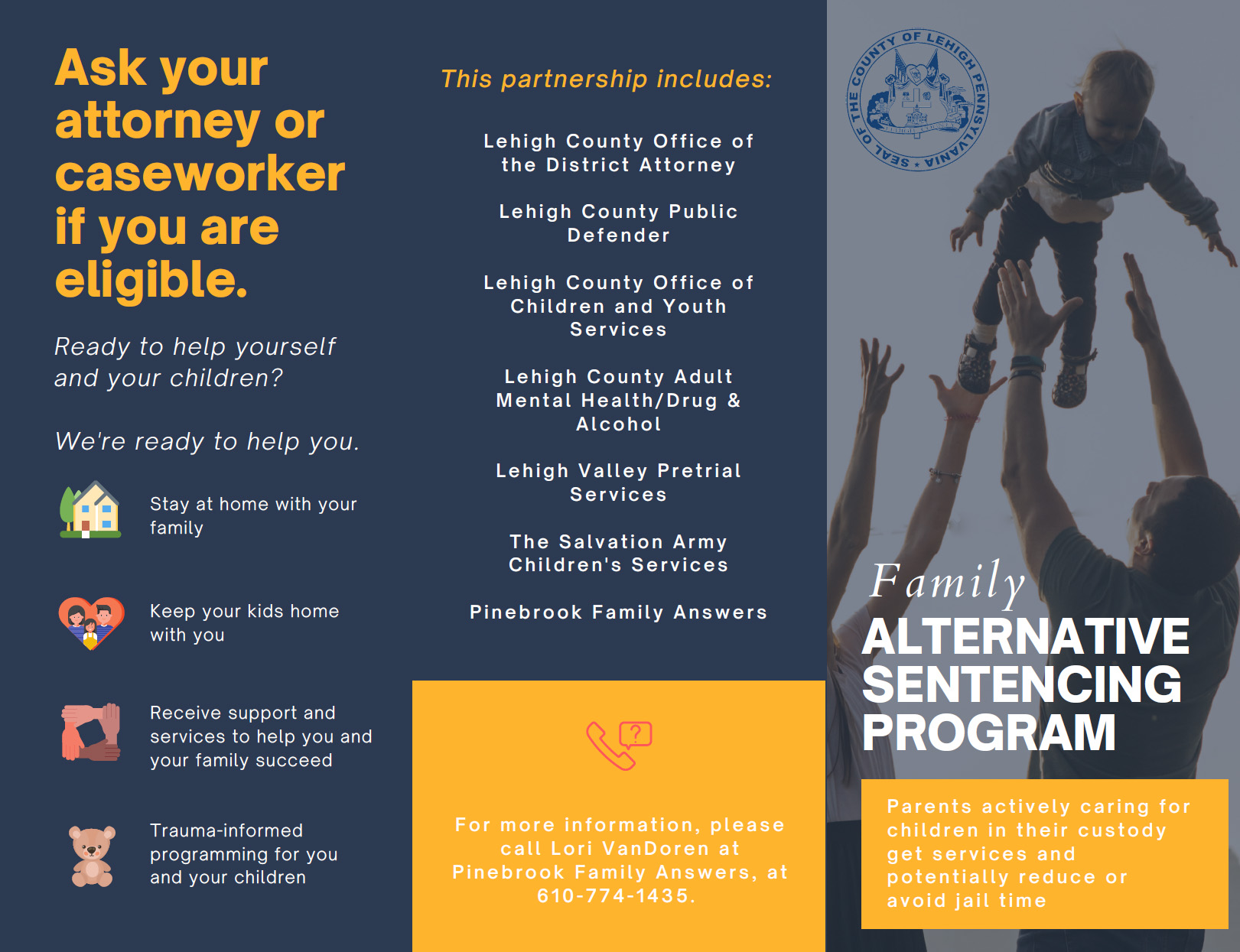
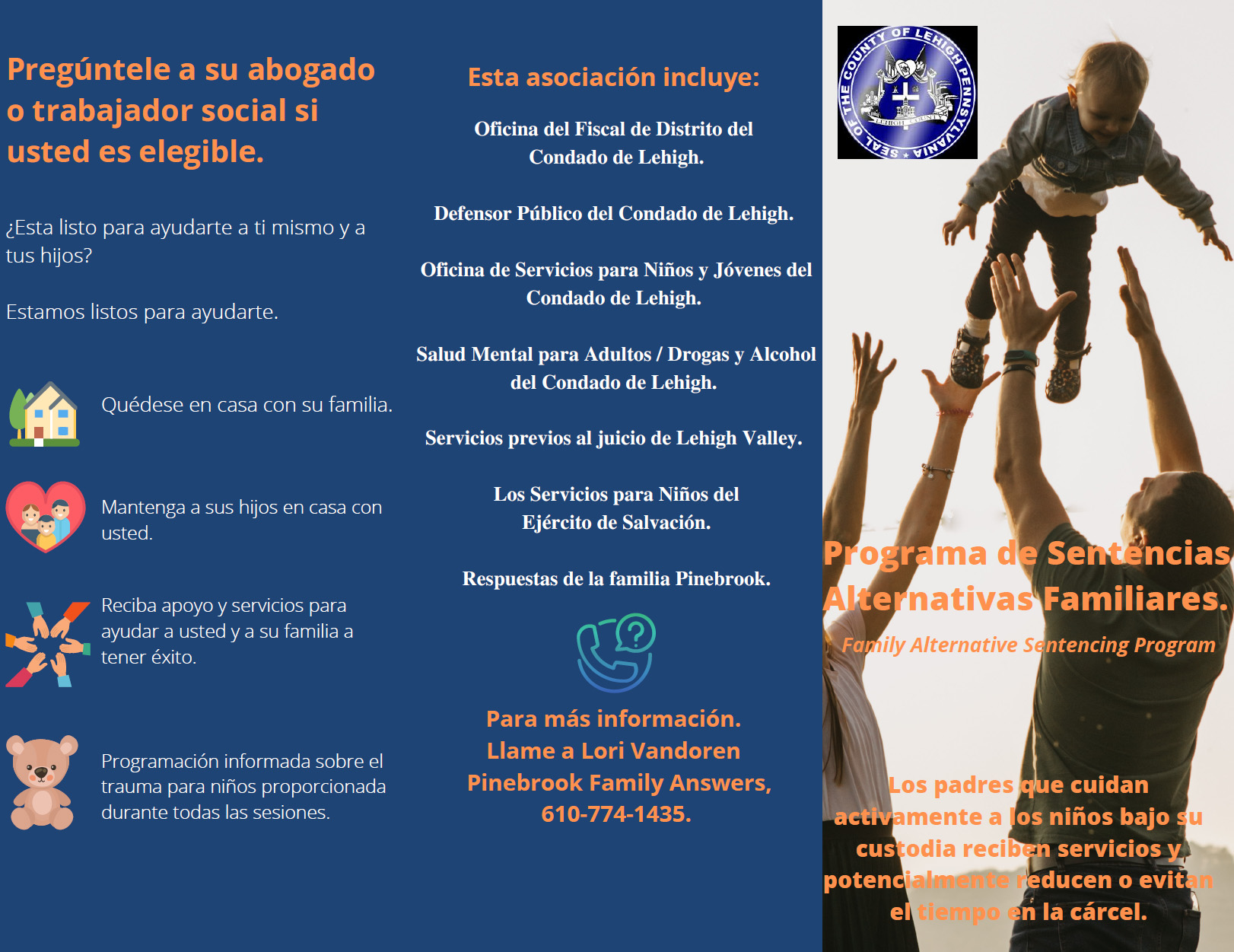
In FY 2021, the Office of Juvenile Justice and Delinquency Prevention awarded the first Family-Based Alternative Justice grant to Lehigh County, Pennsylvania, Office of Children and Youth Services. Lehigh County’s program uses a multidisciplinary team which includes the county’s Office of the District Attorney, Office of the Public Defender, Office of Children and Youth Services, Office of Mental Health, Office of Intellectual Disabilities, Office of Drug and Alcohol Programs, Juvenile Probation Department, and Adult Probation and Parole Department; the Lehigh County Jail; Lehigh Valley Pretrial Services; and two community-based organizations, Salvation Army Children’s Services and Pinebrook Family Answers. The FAST program provides case management and trauma-informed services for caregivers who otherwise would enter the criminal justice system.

The City of Philadelphia received FY 2024 funding to design and implement a family-based alternative to incarceration diversion program aimed at keeping justice-involved mothers home with their children. Program partner Why Not Prosper provides women with trauma-informed holistic services and supports in jail and after they return to their communities. Expected outcomes of this program include: (1) decreasing the number of incarcerated women; (2) decreasing the recidivism rate of program participants; and (3) improving outcomes for children and families through increased family stability and preservation.
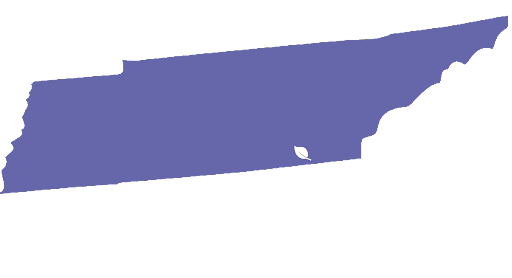
First Things First received FY 2023 funding to support the Dads Making a Difference and Moms Embracing a New Direction programs, court diversionary initiatives for noncustodial parents behind in child-support payments and facing incarceration. These programs will provide counseling educational resources such as financial literacy and employment information to gain and retain jobs, helping participants remain current on their payments, avoid recidivism, and invest more time with their children.
The Washington Department of Corrections (WADOC) received FY 2023 funding to evaluate, refine, and expand services offered within the Parenting Sentencing Alternative (PSA) programs. Legislatively created in 2010, these programs which are designed to reunify or keep participants with their children and family. PSA requires participants, whether in the Family and Offender Sentencing Alternative or the Community Parenting Alternative, to follow through with conditions for programming, treatment, and connection to resources and services as determined on a case-by-case basis. The goal of the programs is to break intergenerational incarceration, mentor incarcerated people in parenting skills, and provide access to mental health and substance use disorder treatment. WADOC is working with research to evaluate and improve the programs.
The Dallas County (AL) Commission received FY 2023 funding to implement the Dallas County Family Preservation Program. The program provides comprehensive, multi-disciplinary, trauma-informed, best-practices to justice-involved parents/primary caregivers and their children. A multi-disciplinary team identifies potential parents/primary caregivers early in their justice system involvement. Parents accepted into the program are diverted from incarceration to preserve the family structure. Staff provide family stabilization case management services that build on family strengths, address challenges, and link them to services and supports in their community.
Restore Hope, Inc. received FY 2024 funding to support the 100 Families, a crisis-to-career program model designed to support justice-involved families while prioritizing the welfare of their children. The model uses risk and needs assessments, treatment planning, case management for parents, and a family intervention program to strengthen parenting competence and confidence. The project will serve parents referred from the courts and community corrections.
CASA for Children of DC received FY 2023 funding to develop, in partnership with the National Resource Center on Children & Families of the Incarcerated, training for CASA volunteers educating them on trauma-responsive communication with children impacted by incarceration, the impacts of parental incarceration, and strategies to mitigate these impacts when working with these children.
Fulton County received FY 2022 funding for the Fulton County District Attorney’s to implement a diversion program for justice-involved parents that improves the emotional, physical, and social well-being of court-exposed parents and their children. Program participants are connected to Families First a community-based organization that provides trauma-informed therapy and stabilization services for children and parents. Additionally, case managers will provide supervision under the Adult Diversion Program Unit. Case-supervision goals will focus on restoring the family unit using rehabilitative services such as crisis management and coping skills.
Wellbeing and Excellence received FY 2024 funding to implement a program, in collaboration with the Marion County Prosecutor’s Office, to interrupt cycles of violence through a trauma-informed diversion approach that provides an alternative to prosecution comprised of individualized assessments, case management, group and individual services, violence-prevention education, and connection to community supports. Participants are referred by justice-system partners and receive interventions aimed at reducing future system involvement and improving wellbeing outcomes.
Washtenaw County (MI) Government received FY 2022 funding to develop a court-based program in collaboration with the prosecutor's and public defender's offices that provides a pre -and post-plea diversion option for parents/primary caregivers who are 25 or younger with eligible misdemeanor and felony cases. Participants are referred to the Corner Health Center where case managers create, with participants, an individualized, holistic service plan to address their health needs. Plans may include behavioral-health assessments, individual therapy, group therapy, and psychiatric services. Corner Health also provides primary medical services, connecting participants and their children with a primary-care physician and obstetrical care if needed. Plans may also include referrals to educational services, community resources, and mentorship programs.
Hope Network received FY 2023 funding to implement the Reuniting Parents and Kids (RePAK) program. RePAK provides pre- and post-release services to men and women in West Michigan to support family reunification and long-term family stability. The program uses evidence-based approaches such as Motivational Interviewing and Cognitive Behavioral Therapy classes and includes holistic case management, parent support groups, mentoring, employment assistance, and job retention support. Case managers also connect participants with other community resources as needed including housing, transportation, childcare, and mental health counseling.
Families First received FY 2023 funding to Facilitate Dads & Dialogue and other family-strengthening programming for justice-involved parents and provide evidence-based parenting education and support services that strengthen protective factors and healthy family relationships. Through these services, Families First aims to increase family preservation, improve parental attachment, increase healthy child development, prevent children from entering the foster care system or entering back into the foster system, and improve parenting skills, reducing the likelihood of future involvement in the criminal justice system.
In FY 2021, the Office of Juvenile Justice and Delinquency Prevention awarded the first Family-Based Alternative Justice grant to Lehigh County, Pennsylvania, Office of Children and Youth Services. Lehigh County’s program uses a multidisciplinary team which includes the county’s Office of the District Attorney, Office of the Public Defender, Office of Children and Youth Services, Office of Mental Health, Office of Intellectual Disabilities, Office of Drug and Alcohol Programs, Juvenile Probation Department, and Adult Probation and Parole Department; the Lehigh County Jail; Lehigh Valley Pretrial Services; and two community-based organizations, Salvation Army Children’s Services and Pinebrook Family Answers. The FAST program provides case management and trauma-informed services for caregivers who otherwise would enter the criminal justice system.
The City of Philadelphia received FY 2024 funding to design and implement a family-based alternative to incarceration diversion program aimed at keeping justice-involved mothers home with their children. Program partner Why Not Prosper provides women with trauma-informed holistic services and supports in jail and after they return to their communities. Expected outcomes of this program include: (1) decreasing the number of incarcerated women; (2) decreasing the recidivism rate of program participants; and (3) improving outcomes for children and families through increased family stability and preservation.
First Things First received FY 2023 funding to support the Dads Making a Difference and Moms Embracing a New Direction programs, court diversionary initiatives for noncustodial parents behind in child-support payments and facing incarceration. These programs will provide counseling educational resources such as financial literacy and employment information to gain and retain jobs, helping participants remain current on their payments, avoid recidivism, and invest more time with their children.
The Washington Department of Corrections (WADOC) The Washington Department of Corrections (WADOC) received FY 2023 funding to evaluate, refine, and expand services offered within the Parenting Sentencing Alternative (PSA) programs. Legislatively created in 2010, these programs which are designed to reunify or keep participants with their children and family. PSA requires participants, whether in the Family and Offender Sentencing Alternative or the Community Parenting Alternative, to follow through with conditions for programming, treatment, and connection to resources and services as determined on a case-by-case basis. The goal of the programs is to break intergenerational incarceration, mentor incarcerated people in parenting skills, and provide access to mental health and substance use disorder treatment. WADOC is working with research to evaluate and improve the programs.